BesøgstiderLukket
|Mandag, August 31, 2026Athen, Grækenland – Historisk Centrum, Piræus & Rivieraen
Tilbage til guide
accessibility
Accessible Athens Guide - Wheelchair & Senior Friendly HOHO
Planning an accessible trip to Athens? Learn about bus ramps, the Acropolis elevator, flat routes, and senior discounts.
8/25/2025
10 min read
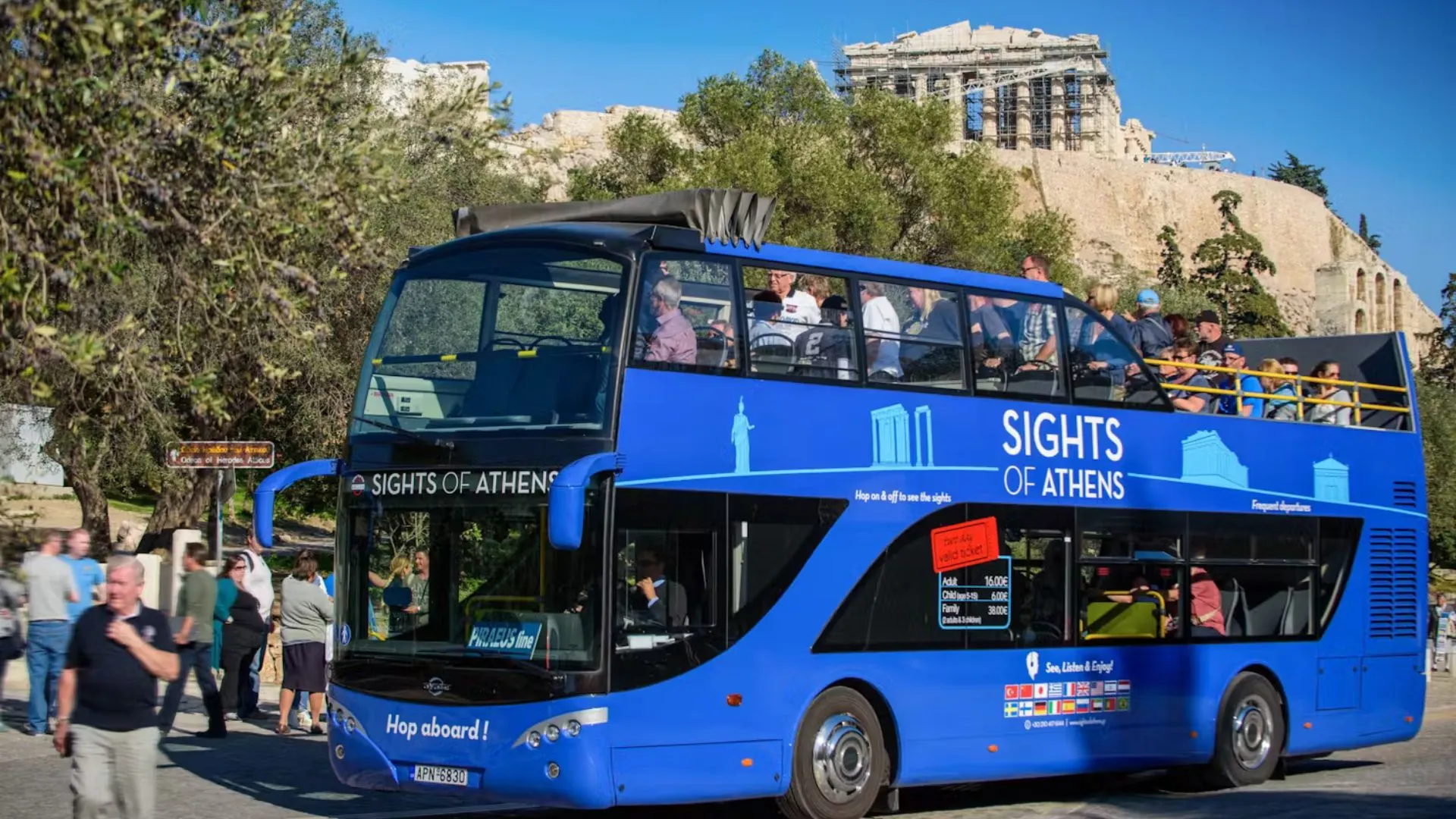
Ancient cities weren't built with wheelchairs in mind, but modern Athens is trying hard to adapt. The Hop-On Hop-Off bus is often the most viable way for travelers with reduced mobility to see the city.
The Buses
- Ramps: Most operators (City Sightseeing, Sights of Athens) utilize low-floor buses with extendable ramps for wheelchairs.
- Space: There is a dedicated space on the lower deck for securing a wheelchair.
- Priority: Drivers are generally helpful and will kneel the bus to assist boarding.
The Acropolis Challenge
Can you visit the Acropolis? Yes.
- The Elevator: There is a wheelchair lift. It is located on the north slope (far from the main Propylaea stairs).
- Process: You usually valid a "disabled" status ticket. Ask the bus staff to drop you as close as possible, but be prepared that the bus stop is still some distance (300-400m) from the elevator entrance. A taxi might be needed for that final leg if walking is impossible.
Flat & Friendly Stops
- Syntagma Square: mostly flat, paved.
- Stavros Niarchos Foundation (Riviera Line): 100% accessible, flat paths, elevators everywhere, and golf carts. A joy to visit.
- Acropolis Museum: Fully accessible state-of-the-art building.
- National Archaeological Museum: Accessible entrance and elevators.
Senior Discounts
- Bus Tickets: Generally, there are no specific "senior" tickets for the bus itself (unlike museums), but check for online promos or ask at the kiosk.
- Attractions: EU citizens over 65 usually get 50% off or free entry to state archaeological sites (ID/passport required). Non-EU seniors often pay full price, depending on the season (check winter reduced rates).
Tips for Comfort
- Heat: Seniors should be wary of the midday sun. Sit downstairs in the AC during the hottest hours (12-4 PM).
- Cobblestones: Plaka has cobblestones which can be tricky for walkers. Monastiraki square is smoother.
With a little planning, the glories of Athens are open to everyone.
Om forfatteren

Accessibility Advocate
Skrevet af elskere af græsk historie og frappé-kaffe. Vi sigter mod at hjælpe dig med at forstå Athens kaotiske herlighed, så du kan fokusere på de antikke vidundere.
Tags
Accessibility
Seniors
Wheelchair
Tips
Comfort
Disability
Comments (0)
Leave a Comment
Loading comments...